A World in Turmoil
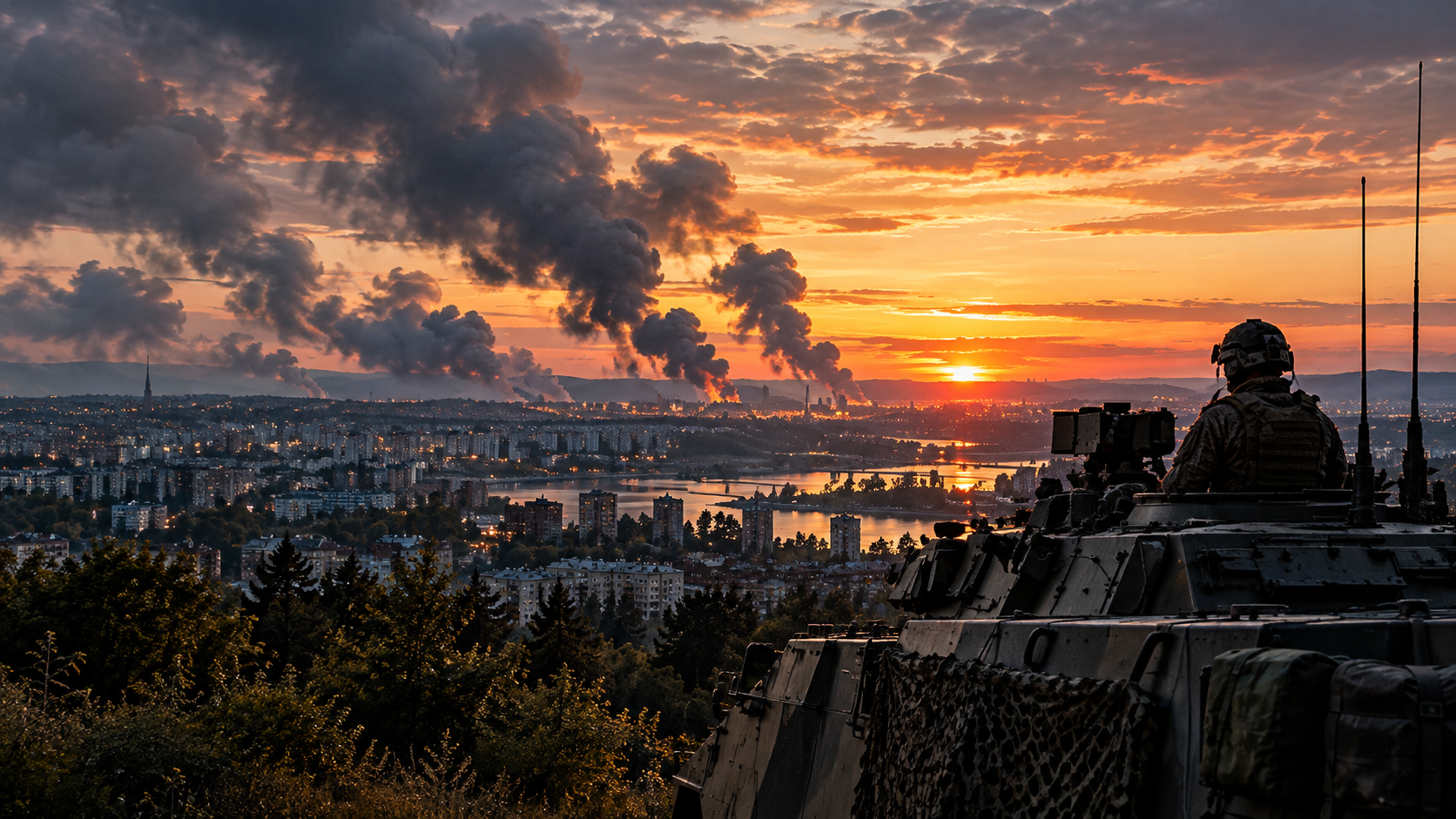
For decades, a major war in Europe seemed almost unimaginable. But Russia's full-scale invasion of Ukraine in February 2022 brought large-scale warfare back to the continent. Cities have been destroyed, millions of people have been forced to leave their homes, and civilian infrastructure has repeatedly come under military attack.
Beyond Europe, geopolitical tensions are also increasing. Global power dynamics are shifting, established security arrangements are coming under pressure, and military force is once again being used to pursue political objectives.
Modern warfare is no longer confined to the battlefield. Drones, missiles, cyberattacks and targeted strikes against energy supplies, communication networks and transport infrastructure can disrupt entire regions. The consequences affect not only armed forces but also civilian populations.
Although Switzerland is far from the current front lines and has a long tradition of neutrality, it remains closely interconnected with the rest of Europe economically, technologically and socially. A major armed conflict could therefore have significant consequences for essential supplies and everyday life in Switzerland.

Switzerland in an Emergency
Armed neutrality is a central element of Switzerland's security policy. However, neutrality alone does not guarantee protection from the consequences of war. Switzerland must also prepare its population for extraordinary threats.
One particularly distinctive feature is Switzerland's extensive civil protection shelter system. Around 370,000 private and public shelters provide, in principle, enough spaces for the entire population. These facilities offer protection against certain effects of conventional weapons as well as radioactive, biological and chemical hazards. However, regional differences and some local shortages remain.
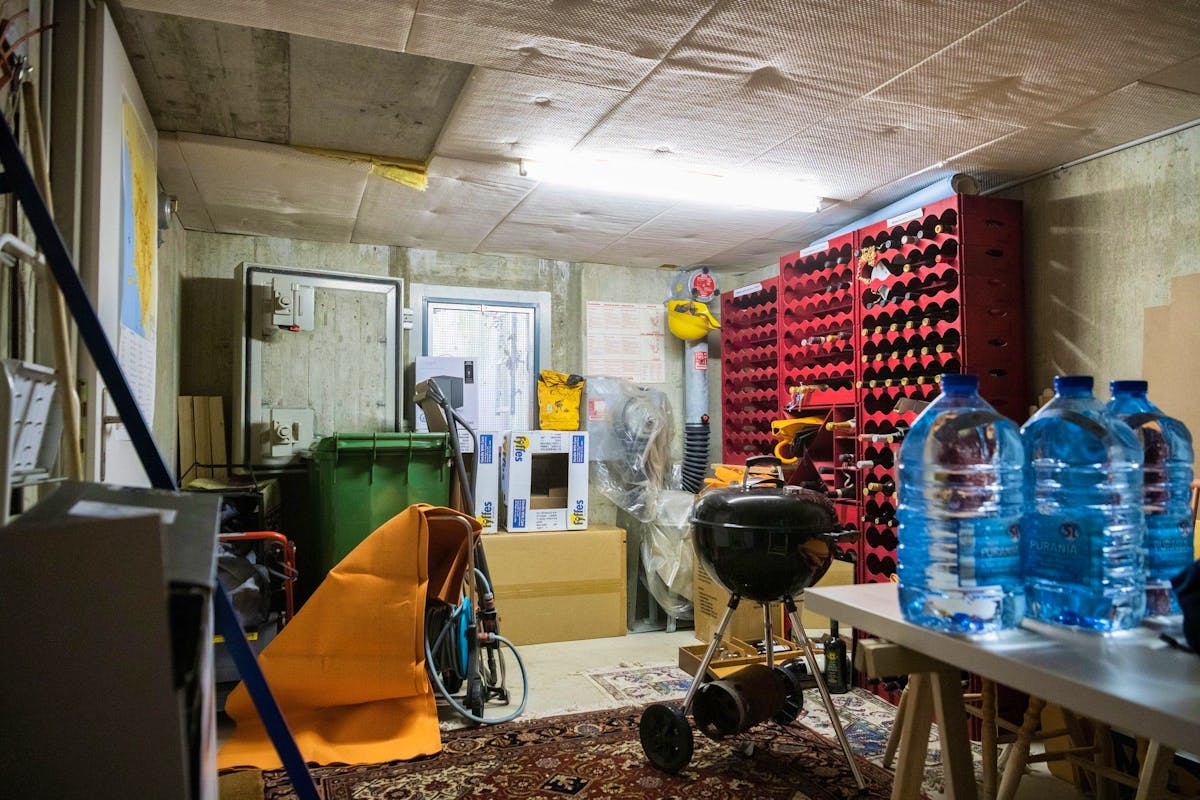
Many of these shelters are used as storage rooms or basements during peacetime. In an emergency, they must be capable of being prepared for their intended purpose within five days. The responsible authorities coordinate shelter assignments and inform the population when taking shelter becomes necessary.
Yet even a properly equipped shelter cannot meet every personal need. Sleeping facilities, sanitation and protective systems are only part of the necessary preparations. Ensuring access to food, drinking water, medication and other essential supplies remains an important responsibility of each household.
Shelter Alone Is Not Enough
A civil protection shelter can save lives. But what happens when people must remain inside for hours or even days? Even behind reinforced concrete walls, basic human needs remain unchanged: people need drinking water, food, medication and hygiene supplies.
The Swiss Federal Office for National Economic Supply therefore recommends that every household maintain an emergency stockpile. This should include shelf-stable food for approximately one week and at least nine litres of drinking water per person. Essential medication, hygiene products, a battery-powered radio and other important items should also be part of personal emergency preparations.
If authorities order the population to enter civil protection shelters, households are generally expected to bring their own emergency supplies. Food that requires little or no preparation, sufficient drinking water and personally required medication are particularly important. A well-organised stockpile makes it easier to gather essential items quickly when an emergency occurs.
Those who wait until a threat becomes imminent may lose valuable time. Supply shortages, overcrowded shops and disrupted transport routes can make obtaining essential goods even more difficult.
A well-planned emergency stockpile is therefore more than just a reserve for difficult times. It is an important part of personal safety – both at home and inside a civil protection shelter.

Be Prepared with myNotvorrat
In an emergency, every minute counts. Having essential supplies already stocked and organised allows you to act more quickly and focus on what matters most: your safety and the well-being of your family.
With my-notvorrat.ch, you can easily keep track of your personal emergency preparedness. Record and manage food, drinking water, medication and other essential supplies. You'll always know what you have available, which items are missing and which products are approaching their expiration dates.
Being well prepared is particularly important if you are instructed to enter a civil protection shelter. A clearly organised emergency stockpile helps you prepare essential supplies in advance and gather them quickly when needed.
Starter – Get Started
Track and manage your personal emergency supplies for free. Practical templates help you build your stockpile step by step and adapt it to your household's needs.
Advanced – Stay Organised with Less Effort
Enjoy additional features that simplify inventory management. Keep track of expiration dates and access helpful checklists and practical tips to improve your emergency preparedness.
Professional – Prepared for More
Keep your inventory information accessible even without an internet connection, so you can refer to it during an emergency. Conveniently manage up to five households from a single account and add new products faster than ever with barcode scanning and AI-powered recognition.
Safety starts with preparation. Make sure your household has the essential supplies it needs before an emergency occurs – simply, efficiently and reliably.