
A Vulnerable Financial System
Our modern financial system is built on credit, investments and a closely interconnected banking network. While these structures support economic growth, they also carry risks. Excessive debt, speculative bubbles or the collapse of major financial institutions can trigger far-reaching crises.
The situation becomes particularly dangerous when confidence in banks and financial markets begins to deteriorate. Businesses and individuals rush to protect their assets, while financial institutions come under increasing pressure. In the worst case, this can trigger a chain reaction affecting large parts of the economy.
At the same time, financial transactions are becoming increasingly digital. Bank cards, mobile payment solutions and electronic transfers have partly replaced cash in everyday life. As convenient as these developments are, they also make us more dependent on reliable technical systems and uninterrupted access to banking services.
During an extraordinary financial crisis, having alternative means of payment can therefore become particularly valuable.
When Your Money Becomes Inaccessible
A severe financial crisis affects more than just banks, businesses and investors. Its consequences can also have a direct impact on ordinary households.
When large numbers of people lose confidence in their bank, a so-called bank run can occur: Customers rush to withdraw their deposits within a very short period. Since banks do not hold all customer deposits in cash, such a surge in withdrawals can cause serious liquidity problems.
To prevent the situation from escalating further, authorities and financial institutions may introduce extraordinary measures. These can include temporary bank closures, limits on cash withdrawals or restrictions on certain bank transfers.
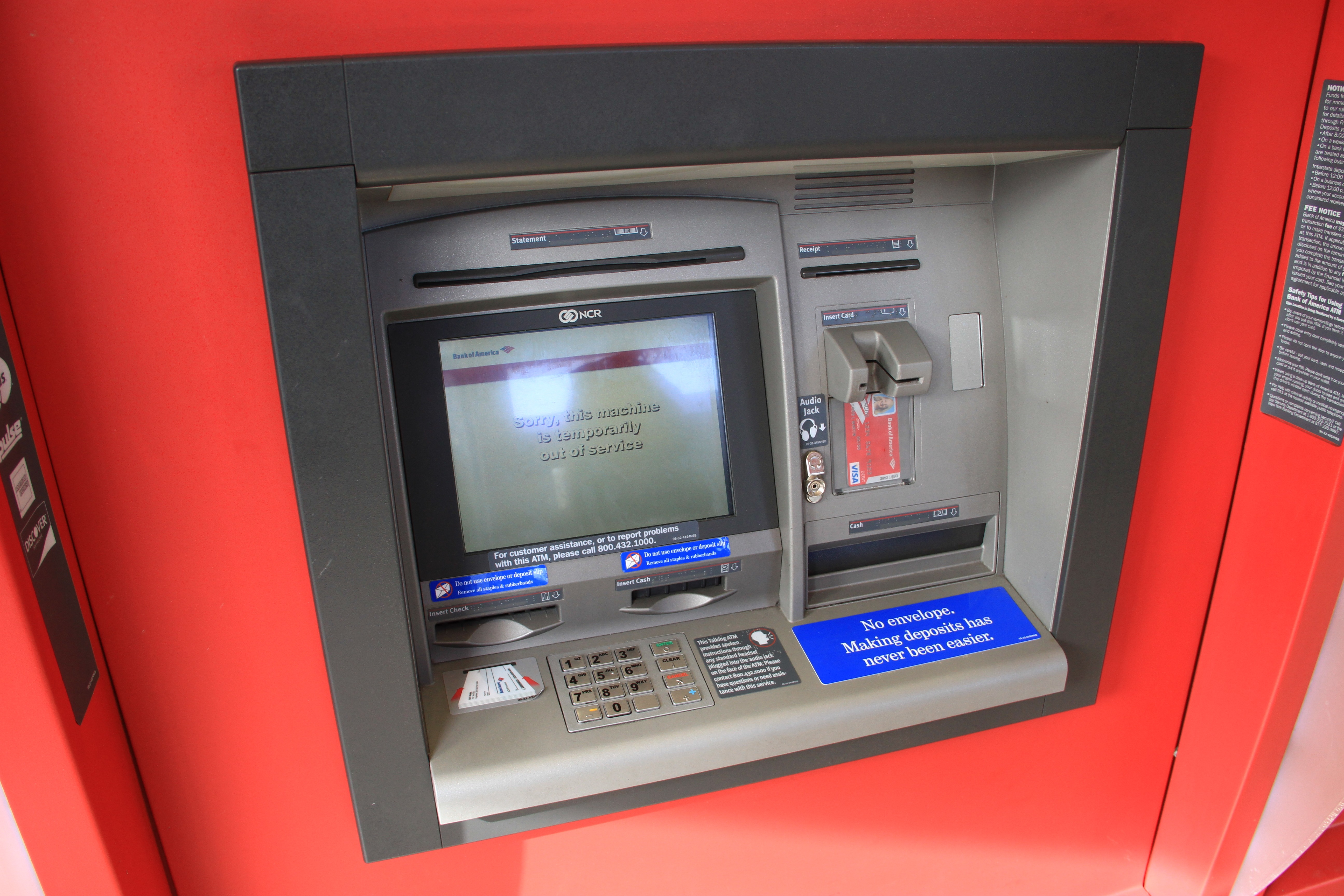
During such a crisis, access to your own money may become temporarily restricted. At the same time, technical disruptions or uncertainty surrounding payment systems can lead some retailers to stop accepting certain payment methods.
Households that maintain a reasonable cash reserve and sufficient emergency food supplies can remain less dependent on banks and payment providers, at least for a limited period.

Lessons from History
The possibility of suddenly losing access to your own money is far from purely theoretical. The financial crisis in Cyprus in 2013 provides a striking real-world example.
After substantial losses and a severe crisis of confidence placed the Cypriot banking system under enormous pressure, banks across the country remained closed for nearly two weeks. When they reopened on 28 March 2013, strict capital controls were introduced. Cash withdrawals were initially limited to €300 per person, per bank, per day.
Bank transfers and other financial transactions were also subject to significant restrictions. Many people could no longer access their savings without limitations. Customers holding deposits exceeding €100,000 at certain banks were particularly affected, as portions of their uninsured deposits were used to restructure the banking system.
The events in Cyprus demonstrate how quickly a banking crisis can disrupt everyday life. Even in a modern European country, access to personal savings can become temporarily restricted.
Maintaining an emergency reserve of cash and essential supplies can provide valuable security in such situations – regardless of developments in the financial markets.

Be Prepared with myNotvorrat
Financial crises are difficult to predict. That's why preparing in advance is so important. Keeping a reasonable cash reserve and sufficient emergency food supplies can help you get through temporary disruptions without having to rely immediately on banks, payment providers or access to shops.
my-notvorrat.ch helps you organise your personal emergency preparedness simply and efficiently.
Plan and manage your emergency cash reserve so you're better prepared for unexpected disruptions to payment services. At the same time, keep track of your food supplies, including what you already have, which products are approaching their expiration dates and what still needs to be added.
This not only helps reduce unnecessary food waste but also ensures that you don't have to rush out for essential supplies in the middle of a crisis.
Starter – Get Started
Track and manage your emergency cash reserve and food supplies for free. Practical templates help you build your personal emergency stockpile step by step.
Advanced – Stay Organised with Less Effort
Enjoy additional features that simplify inventory management. Keep track of expiration dates and access helpful checklists and practical tips to improve your emergency preparedness.
Professional – Prepared for More
Keep your inventory information accessible even without an internet connection, allowing you to stay informed during disruptions. You can also manage up to five households conveniently from a single account, and add your items even faster with barcode or AI integrations.
Being prepared starts before an emergency occurs. Take control of your reserves today and gain greater independence when unexpected situations arise.